students
Qasr for students studying abroad: traveller or resident?

In short
International students are travellers on the journey, but at their study city they are residents if they intend to stay 15 days or more (Hanafi) or 4 days or more (Shafi'i, Maliki, Hanbali). Qasr only applies to Dhuhr, Asr and Isha, after leaving your town’s built-up area; distance is about 77–80 km (48–50 miles).
Studying abroad throws up a practical question: do you pray as a musafir (traveller) or a resident at your new city? The answer affects three daily prayers (Dhuhr, Asr, Isha), and it hinges on how long you plan to stay. The Qur’an permits shortening when travelling (Qur’an 4:101), and the Prophet ﷺ called it “a charity from Allah, so accept His charity.” But the schools differ on when traveller status ends at your destination.
Are international students travellers or residents?
- On the journey itself, you are a traveller once you leave the built‑up area of your home town, and you may shorten Dhuhr, Asr and Isha. This is agreed by all four schools.
- After you arrive at your study city, your status depends on your intended stay length:
- Hanafi: you become a resident if you intend to stay 15 days or more.
- Shafi'i, Maliki, Hanbali: you become a resident if you intend to stay 4 days or more. The Shafi'i do not count arrival/departure days; the Maliki count four full days (20 prayers); Hanbali texts classically say more than 20 prayers. Our calculator uses 4 days for all three.
Most students plan a term or a year, so they pray in full at their study city according to every school. Qasr still applies on trips away from that city that meet the distance and stay‑length rules below.
The key rules by school at a glance
| School | Distance to qualify | When traveller status ends at destination |
|---|---|---|
| Hanafi | about 77 km (48 miles) | Intend to stay 15 days or more |
| Shafi'i | about 80 km (50 miles) | Intend to stay 4 days or more (arrival/departure days not counted) |
| Maliki | about 80 km (50 miles) | Intend to stay 4 full days = 20 prayers |
| Hanbali | about 80 km (50 miles) | Classically: more than 20 prayers; we present as 4 days |
Notes:
- Qasr applies only to Dhuhr, Asr and Isha. Fajr and Maghrib are never shortened.
- Evidence includes Qur’an 4:101 and the Prophet’s ﷺ consistent practice of shortening on journeys, described as a charity to accept.
During the journey to your study country
- When you may start shortening: All four schools agree you do not shorten until you have actually left the built‑up area of your own town. Until then, pray full.
- How the distance is measured: There are two valid ways in the tradition:
- Many classical texts count from the edge of your town.
- Many contemporary answers simply count from where you set off. This difference only affects borderline trips near 77–80 km (48–50 miles).
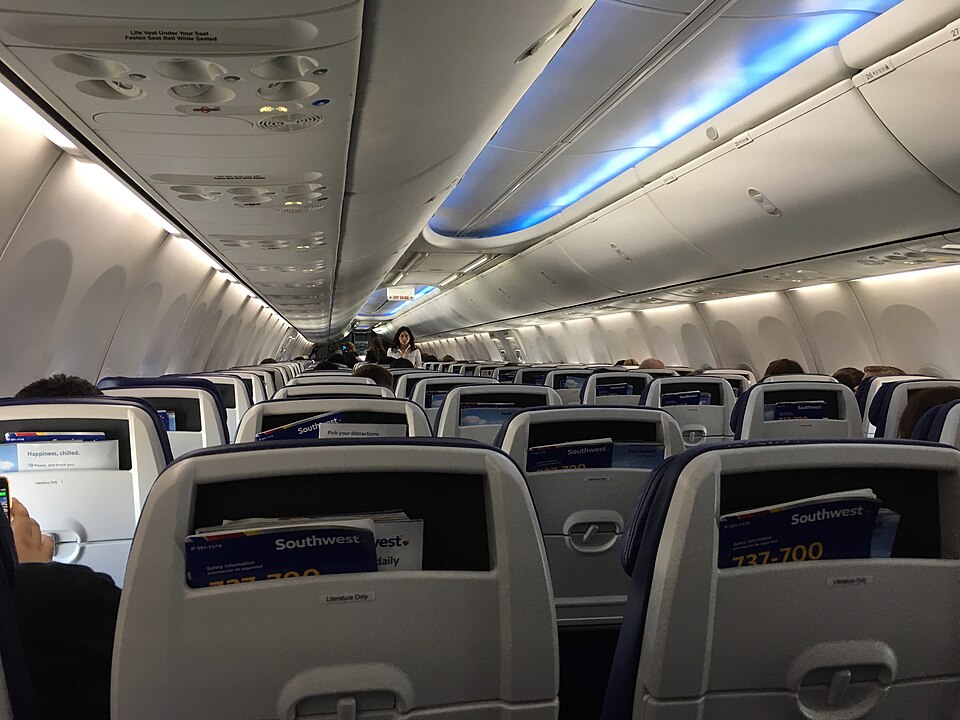
- By air, rail or road: Once you have left your city’s built‑up area and your trip is around 77–80 km (48–50 miles) or more, you may shorten Dhuhr, Asr and Isha while travelling. For practical tips in the air, see our guide to praying on a plane.
Our tool measures between the two points you set, along a road route you choose or as a straight line. It cannot detect city limits or where your home lies. If you prefer the stricter reading, place your starting point at your town’s edge and compare.
After you arrive: when a student becomes a resident (muqeem)
- Hanafi: The moment you intend a stay of 15 days or more at the study city, you are a resident and pray full there. If you plan an academic term (e.g., 10–12 weeks), that intention makes you resident on arrival. For counting details, see our Hanafi guide: The 15‑Day Rule.
- Shafi'i, Maliki, Hanbali: If you intend 4 days or more, you are a resident and pray full. Shafi'is do not count the days of arrival and departure; Malikis require 4 full days (20 prayers); Hanbali texts classically say more than 20 prayers, and the practical summary is “4 days.” If you plan a semester or year, you pray full from arrival. For arrival/departure counting details, see: The 4‑Day Rule.
If your planned stay is shorter than these limits (e.g., a 3‑day orientation then you leave), you may continue qasr until your plan changes to reach the threshold.
Weekend trips, city breaks and visiting home while abroad
- Short trips from your study city: If you leave the built‑up area and travel around 77–80 km (48–50 miles) or more, you may shorten during the trip, provided your intended stay at the destination is below your school’s limit (Hanafi: under 15 days; others: under 4 days).
- Visiting your parents’ city:
- Hanafi: Returning to your permanent home (watan asli) makes you a resident there immediately, even if only for two days. You pray full at home. A student usually does not acquire a new “permanent home” just by renting a dorm or flat for studies.
- Shafi'i, Maliki, Hanbali: Your status still follows your intended stay. If you return to your home city for fewer than 4 days, you may shorten there; 4 days or more means pray full.
To check a specific route and how your planned stay affects each stop, you can use the Qasr Calculator for road or straight‑line distances and multi‑stop itineraries. Remember it measures between points you set; it does not detect city boundaries.
Worked examples for students
Example A: Karachi to Manchester for a 9‑month MSc
- Journey: You shorten Dhuhr, Asr and Isha from the point you leave Karachi’s built‑up area until you reach Manchester. Qur’an 4:101 permits this, and the Prophet ﷺ described it as an accepted concession.
- In Manchester: On arrival you intend to stay far beyond 15 days (Hanafi) or 4 days (Shafi'i/Maliki/Hanbali), so you are a resident in every school. Pray full at the university and accommodation.
- Weekend in London (3 days): London is ~260–340 km from Manchester by road, well over the threshold. All schools allow qasr for a 3‑day stay.
- Winter break back in Karachi (14 days):
- Hanafi: Karachi is your watan asli, so you pray full there even for two weeks or two days.
- Shafi'i/Maliki/Hanbali: 14 days ≥ 4 days, so you are resident there and pray full.
Example B: Student based in Paris visits Brussels for 5 days
- Paris–Brussels is ~320 km by road. You leave Paris’ built‑up area, so distance qualifies.
- Stay length 5 days:
- Hanafi: 5 days < 15 → traveller → may shorten.
- Shafi'i/Maliki/Hanbali: 5 days ≥ 4 → resident → pray full. This is a common scenario where the schools differ on a short city break.
Distance and when you may start shortening: two separate questions
- When to start: All schools agree you only shorten after leaving the built‑up area of your own town. Until then, you are a resident and pray full.
- How distance is measured: There is a genuine difference of view:
- The classical approach measures from the town’s edge.
- Many contemporary answers and tools measure from your starting point. This only matters for borderline trips near ~77–80 km (48–50 miles). Our tool simply measures between the points you set and cannot detect town edges.
For more depth on thresholds, see our guide: How Far Do You Have to Travel to Shorten Your Prayer?
What if my plan is uncertain, or it changes mid‑semester?
- Your status follows your firm intention at the time. If you arrive intending a term or year, you are resident from arrival. If you truly have no intention to stay at or beyond the threshold (Hanafi: 15 days; others: 4 days), you remain a traveller until your intention changes.
- If your plan changes: Your status updates from the moment you form the new intention. For example, if a 10‑day induction extends to a 6‑week block, you become a resident from when you decide to stay that long.
- If in doubt about your own intention or circumstances, ask a local scholar to apply your school’s details.
Can students combine prayers while travelling?
Combining (jam‘) is a separate concession from qasr. Some schools allow combining while travelling; others limit it. Even when you cannot combine, you may still shorten if you meet the rules above. See our guide: Combining prayers while travelling (jam’) and how it differs from qasr.
Scriptural basis Muslims rely on
- “And when you travel throughout the land, there is no blame upon you for shortening the prayer...” (Qur’an 4:101).
- The Prophet ﷺ consistently shortened while travelling and said it is “a charity Allah has given you, so accept His charity” (Sahih Muslim).
As always, these are mainstream summaries across the four schools. For edge cases (e.g., complex residency, military service, indefinite visas), confirm with a scholar who knows your situation.
Frequently asked questions
I’m an exchange student for one semester. Do I shorten at my study city?
No. Because you intend to stay well beyond the thresholds, you are a resident at your study city in every school (Hanafi: 15 days; Shafi'i, Maliki, Hanbali: 4 days). Shorten on the journey there and on qualifying trips away, but pray full while based at the university.
If I visit my parents for 3 days during term, do I shorten at home?
Hanafi: No. Returning to your permanent home (watan asli) makes you a resident there immediately, so you pray full even for a short visit. Shafi'i, Maliki, Hanbali: Yes, you may shorten for a 3‑day visit, because traveller status ends only at 4 days or more.
Do arrival and departure days count in the Shafi’i 4‑day limit?
In the Shafi’i school, the days of arrival and departure are not counted toward the 4 days. Malikis require four full days (20 prayers), and Hanbali texts classically say more than 20 prayers. Our calculator uses 4 days as a practical figure for all three.
When exactly can I start shortening on travel from my home city?
Only after you have left the built‑up area of your town. This is agreed by all four schools. How to measure the qualifying distance is disputed: many classical texts count from the town edge; many contemporary answers count from where you set off. It only affects borderline trips.
Which prayers can I shorten as a student traveller?
Only Dhuhr, Asr and Isha can be shortened from four to two rak‘ahs. Fajr and Maghrib are never shortened. Combining (jam‘) has its own rules and differs from qasr; see our guide on combining for when it is permitted and how it works.
References
- Sahih Muslim 686 — Shortening prayer described as a charity from Allah
- Qur’an 4:101 (Shortening prayer when travelling) — Primary verse permitting qasr when travelling.
Educational, and not a fatwa: this reflects widely held positions in the four Sunni madhhabs. For a ruling on your own situation, ask a qualified scholar.