shafi'i
The 4‑Day Rule in Qasr: Do Arrival and Departure Days Count?

In short
Shafi'i, Maliki and Hanbali all end traveller status at about 4 days’ stay, but they count them differently. Shafi'i do not count the days of arrival and departure; Maliki require 4 full days (20 prayers); Hanbali texts classically say “more than 20 prayers”. If you intend that long or more, you pray full.
The “4‑day rule” matters because it decides when a traveller must stop shortening and resume praying the full four rak‘ahs. The Shafi'i, Maliki and Hanbali schools all use about four days, but they count them differently—especially the arrival and departure days. Below is the practical breakdown and how to apply it to real trips.
What the 4‑day rule in qasr actually means
- In the Shafi'i, Maliki and Hanbali schools, traveller status ends if you intend to stay about four days (50 miles / ~80 km trips typically qualify by distance; details below). From then, you pray full.
- Qasr applies to Dhuhr, ‘Asr and ‘Isha only. Fajr and Maghrib are never shortened.
- Evidence: the verse on the travel concession (Qur’an 4:101) and the Prophet’s practice of shortening on journeys, described as “a charity Allah has given you, so accept His charity”.
Do arrival and departure days count? The schools compared
The three schools agree on “about four days” but count them differently. That difference can change your ruling on tight itineraries.
| School | When traveller status ends | How arrival/departure are counted | Practical summary |
|---|---|---|---|
| Shafi'i | Intending to stay 4 complete days | Days of arrival and departure are not counted | Count only the full days between them. 4 full days = resident. |
| Maliki | Intending to pray 20 obligatory prayers in that place | Measured as 4 full days (20 prayers) | If your plan includes 20 prayers there, you are resident; 19 or fewer = traveller. |
| Hanbali | Classically, intending to pray more than 20 prayers | Often summarised practically as 4 days | More than 20 prayers = resident. Many summarise as “4 days” in practice. |
- The tool on this site applies four days for Shafi'i, Maliki and Hanbali. If your case hinges on the fine print (20 prayers vs days), confirm with a scholar.
Shafi'i: arrival and departure days don’t count
In the Shafi'i school, if you intend to remain for four complete days in a place—excluding the day you arrive and the day you leave—you are a resident there and pray full. If the full days between arrival and departure are three or fewer, you remain a traveller and may shorten.
Example: Arrive Monday afternoon, leave Friday morning. The full days in between are Tuesday, Wednesday and Thursday (3 days), so you are still a traveller in Shafi'i.
Maliki: 4 full days, counted as 20 prayers
Malikis frame the limit as 20 obligatory prayers in that town (i.e., four full days). If you intend to pray those 20 there, you are a resident and must pray full; 19 or fewer means you remain a traveller. This measures “full days” rather than simply calendar days on the ground.
Example: Arrive Sunday night, leave Thursday night. You will be present for the full days of Monday, Tuesday, Wednesday and Thursday: 4 full days = 20 prayers → resident in Maliki.
Hanbali: more than 20 prayers (often summarised as 4 days)
Classical Hanbali texts often express the limit as “more than 20 prayers.” In practice, this is usually summarised as four days. If you will pray 21 or more obligatory prayers there, you become a resident and must pray full; with 20 or fewer, you remain a traveller and may shorten.
Example: Arrive Monday before Dhuhr and leave Friday after Fajr. Between arrival and departure you will catch more than 20 obligatory prayers there → resident in Hanbali; under Shafi'i, the count of full days between still needs checking (see below).
A worked example: London to Birmingham business trip
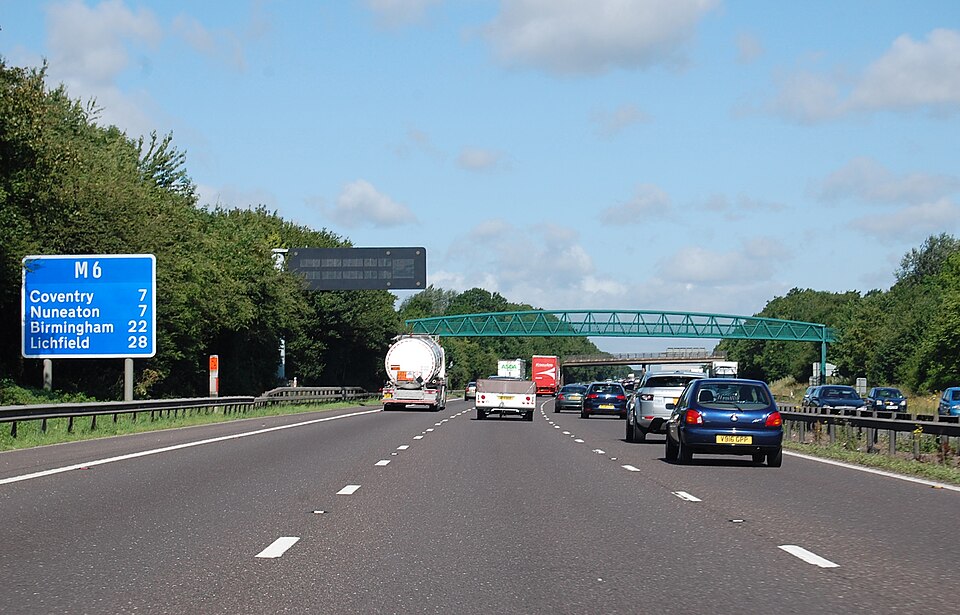
- Route: London to Birmingham (about 190 km / 120 miles by road).
- Arrive: Monday 12:00. Depart: Friday 18:00.
How each school counts:
- Shafi'i: Full days between arrival and departure are Tuesday, Wednesday, Thursday → 3 full days → still a traveller; you may shorten Dhuhr, ‘Asr, ‘Isha throughout.
- Maliki: Full days present = Tue–Thu (3 full days = 15 prayers) → still a traveller. If you delayed departure to Saturday evening, you would accumulate 20 prayers → resident from the outset.
- Hanbali: Count obligatory prayers you expect to perform there. Mon (from Dhuhr) to Fri (till Maghrib) is likely over 20 prayers → resident. If you departed early Friday (before Fajr), you’d stay at or under 20 → traveller.
Takeaway: identical calendar dates can produce different rulings depending on whether you count “full days” (Shafi'i/Maliki methods) or “number of obligatory prayers” (Hanbali classical expression). If your case is borderline, speak to a scholar about which method to follow.
This rule is about how long you will stay, not when you may start shortening
- All four schools agree: you do not start shortening until you have left the built‑up area of your own town. Until then, you are a resident and pray in full.
- The “4‑day rule” only kicks in once you reach your destination and depends on your intention for how long you will remain there.
Distance and measuring the journey: a separate issue
- Qualifying distance: Shafi'i, Maliki and Hanbali commonly express it as about 80 km (50 miles), often as 4 burud / 16 farsakh. Hanafi use about 77 km (48 miles). Our guide to travel distance explains more.
- How to measure it: there is a real difference of view. Classical texts count from the edge of your town; many contemporary answers take the journey from where you set off. This only changes the verdict for trips near the threshold.
- What our tool does: it measures between the points you set, along your chosen road route or as a straight line. It does not detect town boundaries or know where your home is. If you prefer the stricter reading, place your starting point at your town’s edge and compare the two figures.
Planning multi‑stop trips and changing intentions
- If you intend to remain under four days in each stop, you stay a traveller in each, under Shafi'i, Maliki and Hanbali.
- If at any stop your plan reaches the school’s limit (Shafi'i: 4 full days excluding arrival/departure; Maliki: 20 prayers; Hanbali: more than 20 prayers), you become a resident there from the outset and must pray full, even if you later shorten your stay.
- If your intention changes while there—e.g., you extend beyond the limit—you become a resident from the point you form that intention.
To calculate your exact distances, routes, and per‑stop stays—including alternative routes and straight‑line options—check your route and stop‑lengths on Qasr Calculator.
Evidence behind the concession to shorten
- Qur’an 4:101 explicitly allows a reduction of the prayer in travel.
- The Prophet ﷺ consistently shortened on journeys and described it as “a charity from Allah; accept His charity,” indicating that taking the concession is recommended.
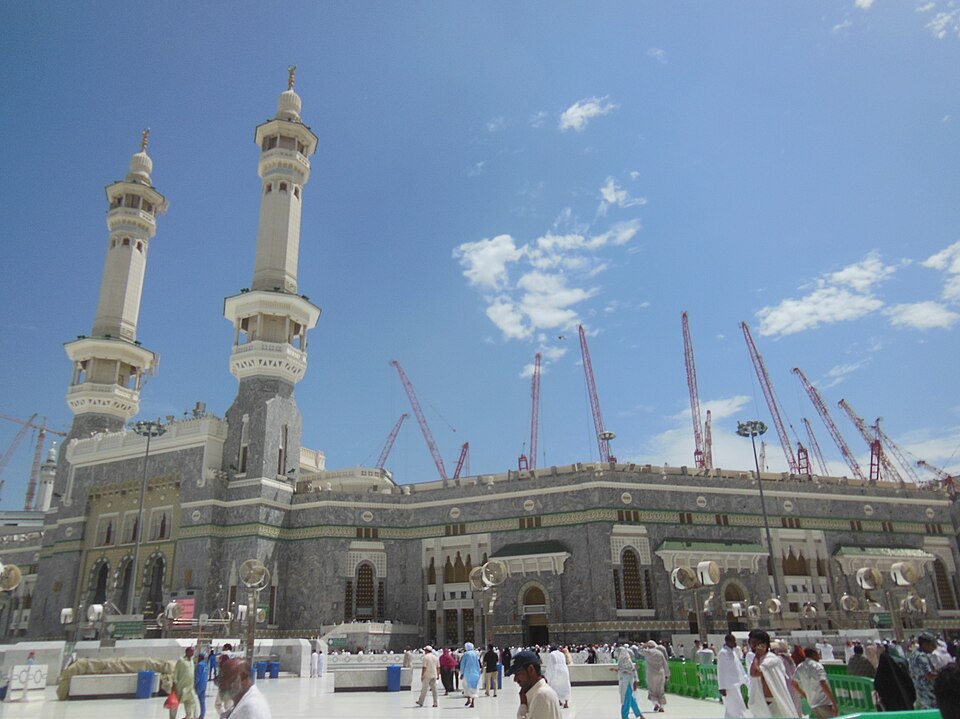
- At the Conquest of Makkah, he shortened across multiple days in and around the city, which underpins the discussion of how long a traveller remains a traveller.
Hanafi readers: your rule is different
For comparison only: the Hanafi school uses about 77 km (48 miles) for distance and ends traveller status with an intention to stay 15 days or more. See our detailed guide: The Hanafi 15‑Day Rule: When You Become Muqeem.
A note on combining prayers (jam‘)
Combining (jam‘) and shortening (qasr) are distinct concessions. You may shorten Dhuhr, ‘Asr and ‘Isha when you are a traveller; whether you may combine depends on your school and circumstances. See our guide: Combining prayers while travelling (jam’) and how it differs from qasr.
Finally, this article summarises well‑known positions across the schools. It is not a fatwa. For edge cases—especially when your itinerary hovers around the limits—confirm with a local scholar which method you should follow.
Frequently asked questions
If I arrive on Monday morning and leave on Friday night, can I still shorten under Shafi'i?
Under Shafi'i, you exclude the arrival and departure days and count only the full days between. Monday and Friday don’t count; the full days are Tuesday, Wednesday and Thursday (3 days). As that is under four complete days, you remain a traveller and may shorten throughout.
How do Malikis apply the 4-day rule to a late-night arrival?
Malikis measure by prayers: four full days equals 20 obligatory prayers. A late-night arrival means your first “full day” begins the next morning. If, from then, you will complete 20 prayers in that town (four full days), you are a resident; 19 or fewer means you remain a traveller.
Hanbali: what does “more than 20 prayers” mean in practice?
It means if you will pray 21 or more obligatory prayers while in that place, you are a resident and must pray full. Many summarise this as “four days.” On tight schedules, count the prayers you expect at your destination between arrival and departure to see if you exceed 20.
When can I start shortening my prayers on departure day?
All four schools agree you cannot shorten until you have left the built‑up area of your town. Before that, you are a resident and must pray in full. Once you have genuinely set out and passed your town’s buildings, the travel concessions—including qasr—apply.
Does the 80 km (50 miles) distance have to be measured from my door?
Classical texts count from the edge of your town; many contemporary answers measure from where you set off. This only matters for journeys near the threshold. Our tool measures between the points you set; if you want the stricter reading, set your starting point at your town’s edge and compare.
References
- Qur’an 4:101 – Concession of shortening prayer while traveling — Scriptural basis for qasr concession.
Educational, and not a fatwa: this reflects widely held positions in the four Sunni madhhabs. For a ruling on your own situation, ask a qualified scholar.