umrah
Makkah to Madinah: qasr rules for Umrah and Hajj
In short
Makkah–Madinah is about 450 km by road, so it qualifies for qasr in all schools (Hanafi: about 77 km/48 miles; Shafi’i, Maliki, Hanbali: about 80 km/50 miles). You may not shorten until you leave your own town’s built‑up area (agreed). In Makkah or Madinah, you stop shortening once you intend to stay 15 days (Hanafi) or 4 days (Shafi’i, Maliki, Hanbali).
For Umrah and Hajj, the journey between the Two Holy Cities is well beyond the qasr distance. What makes this tricky is knowing when shortening actually begins, and whether your planned stay in Makkah or Madinah turns you into a resident (muqeem) under your madhhab.
The distance Makkah–Madinah easily qualifies for qasr
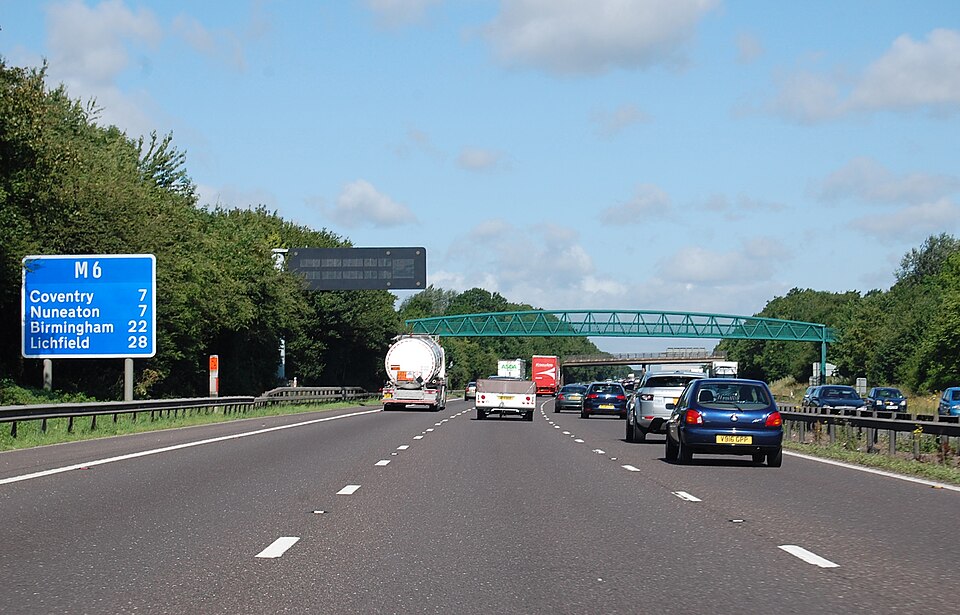
- By road via Highway 15, Makkah to Madinah is roughly 450 km (about 280 miles).
- The straight‑line distance is around 340 km (about 210 miles).
All four schools allow qasr on trips this long:
- Hanafi: about 77 km (48 miles).
- Shafi’i, Maliki, Hanbali: about 80 km (50 miles), often described as 4 burud / 16 farsakh.
Qasr applies only to Dhuhr, Asr and Isha. Fajr and Maghrib are never shortened. The basis is Qur’an 4:101 and the Prophet’s ﷺ practice of shortening while travelling, described as “a charity from Allah, so accept His charity” in an authentic report.
When can I start shortening: on the coach, train or plane to Makkah or Madinah?
There are two separate questions:
- When does shortening start? Agreed by all four madhhabs: you may not shorten until you have left the built‑up area of your own town. Until then you are a resident and must pray full.
- How is the distance measured? Classical texts count the travel distance from the town’s edge; many contemporary answers measure from where you set off. It rarely changes the verdict except on borderline trips.
Between Makkah and Madinah the margin is huge, so this debate doesn’t affect the outcome. It can matter, however, for nearby legs like Jeddah–Makkah (often ~80–90 km by road).
How long can I stay in Makkah or Madinah and still shorten?
Your intention for how long you will stay in each city determines when traveller status ends. The schools differ:
| School | Distance threshold | Traveller status ends when you intend… |
|---|---|---|
| Hanafi | about 77 km (48 miles) | to stay 15 days or more |
| Shafi’i | about 80 km (50 miles) | to stay 4 days or more (arrival/departure days not counted) |
| Maliki | about 80 km (50 miles) | to stay 4 full days (20 prayers) |
| Hanbali | about 80 km (50 miles) | classically “more than 20 prayers”; the tool uses 4 days |
Notes that often matter in Umrah/Hajj planning:
- If you intend 15+ days in Makkah (Hanafi) or 4+ days (Shafi’i, Maliki, Hanbali), you are a resident in Makkah for that stay and pray full there.
- The same applies independently in Madinah.
- If your intention changes mid‑stay, your ruling changes from that point onward.
- Shafi’is do not count arrival and departure days toward the 4; Malikis require 4 complete days (20 prayers). We unpack these in detail here: The 4‑Day Rule in Qasr: Do Arrival and Departure Days Count?
- Hanafis use the 15‑day rule; see: The Hanafi 15‑Day Rule: When You Become Muqeem
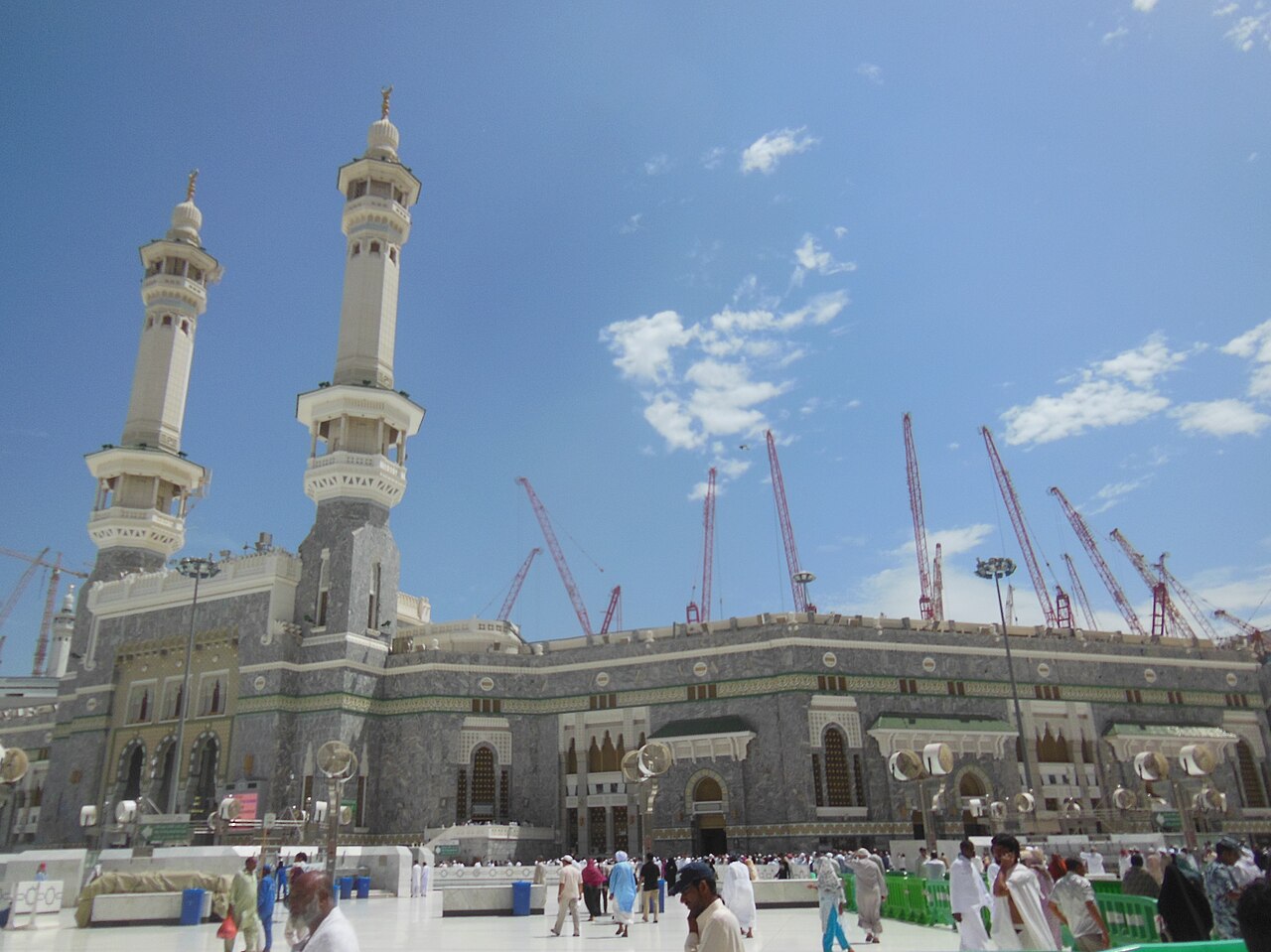
Praying in Masjid al‑Haram or the Prophet’s Mosque: do I still shorten?
If you pray behind a resident imam (which is the case in both Haramain), you must complete the prayer to four rak’ahs. This rule is agreed. If you are praying alone or behind a traveller imam, you shorten Dhuhr, Asr and Isha to two. Either way, Fajr and Maghrib are never shortened.
Hajj days in Mina, ‘Arafah and Muzdalifah: shorten or full?
- The Prophet ﷺ shortened during his Hajj in Mina, ‘Arafah and Muzdalifah, and also shortened while staying in Makkah during the Conquest. This underpins the concession for travellers.
- Whether you shorten during the Hajj days depends on whether you are a traveller then. If, for example, you intended 5–7 days in Makkah before Hajj:
- Hanafis: still a traveller (less than 15 days), so shorten when not following a resident imam.
- Shafi’i/Maliki/Hanbali: you intended 4+ days, so you became a resident in Makkah and do not shorten during those days (including when you go out to Mina), unless you start a new qualifying journey.
- Distances within the Hajj sites are small, but that does not matter; the key is your overall traveller status based on intention and qualifying journeys.
For combining (jam’) versus shortening, and which schools allow combining while travelling, see: Combining prayers while travelling (jam’) and how it differs from qasr.
Worked examples for common Umrah and Hajj itineraries
- Umrah, then Madinah by coach
- Plan: 6 nights in Makkah; coach to Madinah for 5 nights; flight home.
- Distance: Makkah–Madinah ~450 km by road.
- Hanafi: In Makkah (6 nights < 15 days) you are a traveller and may shorten when not behind a resident imam. On the coach you shorten. In Madinah (5 nights < 15) you may shorten. On the flight home you shorten until you land and re‑enter your home city’s built‑up area.
- Shafi’i/Maliki/Hanbali: In Makkah (6 nights ≥ 4 days) you are a resident; pray full. On the coach, you are travelling again, so shorten. In Madinah (5 nights ≥ 4) you are a resident; pray full. On the flight home, shorten until you re‑enter your home city’s built‑up area.
- Short Umrah from Jeddah
- Plan: Land Jeddah, go straight to Makkah for 2 nights, return to Jeddah and fly out.
- Distance: Jeddah–Makkah is often around 80–90 km by road depending on route.
- Measurement nuance: Classical texts count from Jeddah’s edge; many today count from your point of departure. Because this leg is close to the 80 km threshold used by Shafi’i/Maliki/Hanbali, the stricter “edge” reading could affect your verdict. Hanafis (77 km) will typically qualify.
- In Makkah for only 2 nights: all schools treat you as a traveller there, so you may shorten when not behind a resident imam.
- Hajj package with 8 nights in Makkah before Mina
- In Makkah before Hajj: Hanafis still shorten (not 15 days), others pray full (4+ days).
- In Mina/‘Arafah/Muzdalifah: Hanafis continue to shorten; others pray full unless they begin a new qualifying journey.
Evidence and the spirit of the concession
- Qur’an 4:101 permits shortening when travelling.
- The Prophet ﷺ consistently shortened on journeys, described as “a charity Allah has given you — so accept His charity.”
- The schools derived their distance and stay‑length thresholds from these core texts and early practice. Respecting different madhhabs means applying their thresholds carefully while not losing sight of the mercy intended in travel.
A note on praying on the plane
Most pilgrims fly to and from the Haramain. Shortening applies once you have left your home city’s built‑up area and continues until you become resident at destination. Practical tips for qibla, wudu’ and timing in the air are covered here: Praying on a plane: qasr, qibla and what to do when you land.
Summary of key points for Umrah and Hajj travellers
- Distance: Makkah–Madinah (~450 km road) qualifies for qasr in all schools.
- Start point: Do not shorten until you leave your own town’s built‑up area (agreed). How distance is measured (from town edge vs. start point) is a known difference of view.
- Stay length: You become a resident in Makkah or Madinah if you intend 15+ days (Hanafi) or 4+ days (Shafi’i/Maliki/Hanbali). Shafi’is don’t count arrival/departure days; Malikis require 4 full days; Hanbali texts classically say more than 20 prayers.
- Congregation: Behind the resident imam in the Haramain, pray full; otherwise travellers shorten Dhuhr, Asr and Isha.
As always, confirm specifics of your itinerary with a knowledgeable scholar of your school; this guide aims to help you plan and measure accurately without issuing a fatwa.
Frequently asked questions
Does the Makkah–Madinah route always allow qasr for Umrah or Hajj?
Yes. At about 450 km by road (around 280 miles), it exceeds the qasr distance in all schools (Hanafi ~77 km; Shafi’i, Maliki, Hanbali ~80 km). You start shortening only after you have left your own town’s built‑up area, and you stop if you intend to stay 15 days (Hanafi) or 4 days (others).
Can I shorten my prayer in Masjid al‑Haram or the Prophet’s Mosque?
If you pray behind a resident imam (as in both Haramain), you must complete to four rak’ahs. When praying alone or behind a traveller imam, you shorten Dhuhr, Asr and Isha to two. Fajr and Maghrib are never shortened in any case.
For Shafi’is, do arrival and departure days count toward the 4‑day limit?
No. In the Shafi’i school, the days of arrival and departure do not count toward the 4 days that end traveller status. Malikis require 4 complete days (20 prayers). Hanafis use a separate rule: you become a resident only with an intention of 15 days or more.
Is Jeddah–Makkah a qualifying journey for qasr?
It is often near the threshold (around 80–90 km by road), so views on how to measure can matter. Classical texts count from Jeddah’s edge; many today measure from where you set off. Hanafis (77 km) typically qualify; Shafi’i/Maliki/Hanbali (80 km) may depend on the route and method of measuring.
Can I combine prayers during Hajj and Umrah, or only shorten?
Shortening (qasr) and combining (jam’) are distinct concessions. All schools allow shortening when travelling. Combining has differences by school and circumstance. See our guide: “Combining prayers while travelling (jam’) and how it differs from qasr” for details and examples.
References
- Qur’an 4:101 – Concession of shortening prayer while travelling — Primary verse permitting qasr
Educational, and not a fatwa: this reflects widely held positions in the four Sunni madhhabs. For a ruling on your own situation, ask a qualified scholar.